
“We need someone who has fallen flat on their face”
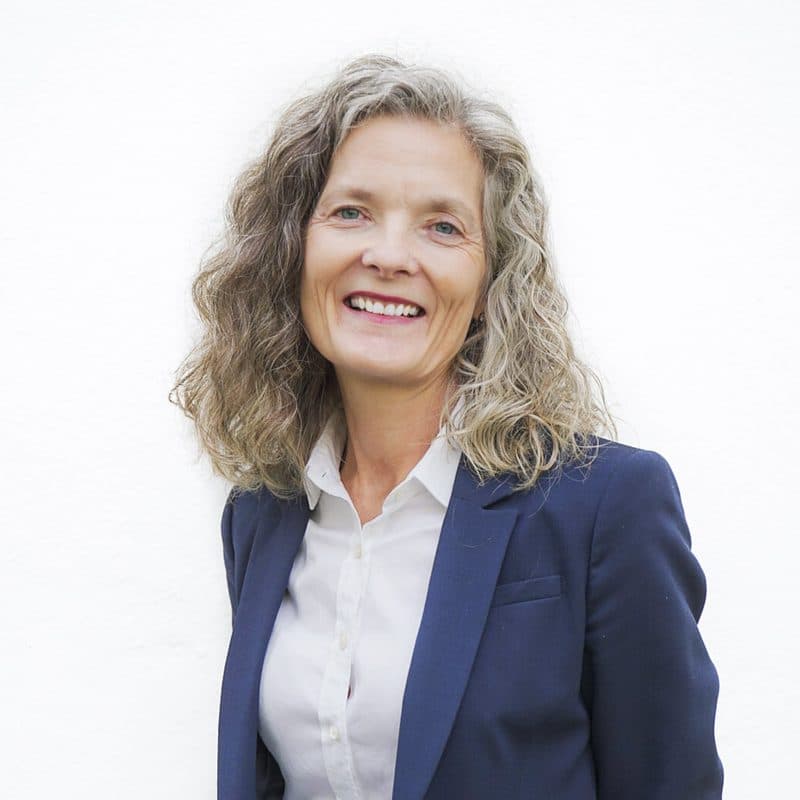
Marit Wetterhus
CEO

I thought I'd misheard him. I was sitting in one of my first board meetings as a director of a publicly listed company. We were hiring a new CEO, and around the table sat people with far more board experience than me. We were discussing what to look for. I remember thinking the answer was fairly obvious:
We had to find someone genuinely skilled, with strong results, someone who had proven they could succeed.
Then one of the most experienced board members said:
"We need someone who has fallen flat on their face."
I pushed back. It was the exact opposite of what we were supposed to do. We were supposed to find someone good, someone who had succeeded.
He continued:
"This job is going to be tough. If you've never been knocked down, lain there with your face in the gravel, and gotten back up, we don't know how you handle adversity. We don't need a fair-weather leader."
I still remember that conversation to this day. It changed how I saw leadership. But maybe more importantly, it changed how I saw my own history.
I had gotten very good at only talking about what went well
I think I was fairly typical of many ambitious people. I wanted to deliver, to perform, to create results. When I talked about my career, it was naturally the results I highlighted. The growth, the companies, the projects, and of course the good decisions.
The difficult periods? I talked about those far less. The decisions I wish I'd made differently. The projects that didn't turn out the way we'd hoped. The stretches where I had no idea how we'd move forward. Everything that didn't quite fit the polished story. Maybe there was a bit of the "good girl" in me too. The idea that experience was, first and foremost, the sum of everything I'd achieved.
That day in the boardroom, I started seeing it differently. Because if it's actually in adversity that we find out what kind of leaders we are, why would I try to polish it out of my own story?
It's easy to be a fair-weather leader
It's relatively easy to lead when the arrows point up. When customers keep coming. When the results are good. When the organization is growing. When your decisions turn out to be right.
Leadership gets hard when things don't go according to plan. When you have to make decisions without knowing if they're right. When something you truly believed in doesn't work. When you have to stand in front of people you're responsible for and tell them the plan has to change. When you have to face the consequences of a decision you helped make yourself. Or when you simply have to admit: this didn't work.
It hurts. But it's also in those periods that I've learned the most. Not just about business, strategy and decisions. About myself.
We're remarkably good at judging risk in hindsight
A decision can be wrong without the risk itself having been wrong to take.
An investment can fail without it being wrong to try.
A company can go under without the people who built it lacking competence, courage or will.
When you build something new, there's no guarantee it will succeed. That's inherent in the very definition of taking a risk. And yet it's fascinating how differently we judge decisions once we know the outcome. When someone succeeds, we see the courage, the vision, the drive. When someone fails, it can suddenly seem obvious that they should have known better. But it wasn't necessarily obvious when the decision was made, and that's an important distinction. Because if we only respect those who dared once we already know, in hindsight, that it worked out, we don't actually have much respect for risk at all.
Leaders who have failed don't scare me
These days I react quite differently when I meet people who've been through real adversity. I want to know more. What happened? What did you do when things started going wrong? Did you take responsibility? What did you learn? What would you do differently today? And maybe most important: did you manage to get back up?
I don't think adversity automatically makes anyone a better leader. It's entirely possible to fail without learning anything from it at all. What's interesting is what you do with the experience afterward. Whether you explain it away. Whether you blame everyone else. Or whether you dare to actually look at what happened, take the lesson, and let it change how you think and act next time. That's where experience is built.
There's an easy way to lower your risk of falling flat on your face
You can choose not to take the bet. Not to challenge anything. Not to try something that might not work. You can wait until someone else has proven it works. That's safer. But then we also need to be honest about what we're choosing not to do. If we want to create new companies, new jobs and new solutions, someone has to be willing to make decisions without knowing the outcome. And some of those decisions will be wrong. That's not a deviation from entrepreneurship. It's part of it.
I think we forget this a little too often when we talk about innovation and entrepreneurship. We happily cheer for those who dare to bet big once we already know, with hindsight, that the story ends well. Then we talk about courage, vision and execution. But that isn't really risk if we only accept it once it ends in success.
We need more honest stories about leadership
At the same time, we live in an era where it's remarkably easy to create the impression that everything is going brilliantly. We see the launches. The funding rounds. The growth. The new jobs. The awards. The milestones. That's natural. I'd obviously rather share good news than bad news too. But if that's the only thing we share, we also create a rather strange picture of what it actually means to build and lead a business.
No leadership journey consists only of good days. No one makes only the right decisions, least of all people trying to create something that didn't exist before. We need more respect for those who dare to try, even when the attempt doesn't end the way they hoped. Not because we should romanticize failure or celebrate bad decisions. But because the alternative is a society where we say we want innovation, entrepreneurship and people who take risks, while also expecting them to never fail. That doesn't add up.
Today, I own the hard parts
The biggest change for me after that boardroom conversation, then, wasn't how I judged other leaders. It was how I judged myself. I gradually stopped seeing the difficult periods as something that had to be hidden away. Today I own them. Not because everything I've done has been right, because it definitely hasn't. But because those experiences are mine too. They've taught me something, and made me better equipped to spot warning signs, ask different questions, handle uncertainty, and stand steadier when things get hard. They've taught me that being knocked down, face in the gravel, isn't the same as staying down.
That might be the most important part. Because of course I hope as few people as possible ever fall flat on their face. But if you're going to lead, build, invest, challenge the status quo, or try to create something new, you won't get through an entire career without setbacks. So I'm no longer especially interested in whether a leader has failed.
I'm far more interested in this: what did you learn when it happened? And who were you when you got back up?
More posts
“You're way too aggressive on AI”
A comment from a colleague stopped me in my tracks. I took it as a compliment, not because the goal is to use as much AI as possible, but because I think the biggest risk right now is learning too slowly.
Digitalisation cuts hours – wage growth eats the gain
Norges Bank's latest business survey shows digital solutions are only just beginning to ease staffing needs – while wage expectations have been revised upwards. The outcome is settled in three metrics most companies review only once a year.
Get new analyses in your inbox
One new post a week, never more. No product ads.
Curious about how Capassa works in practice?
Get in touch